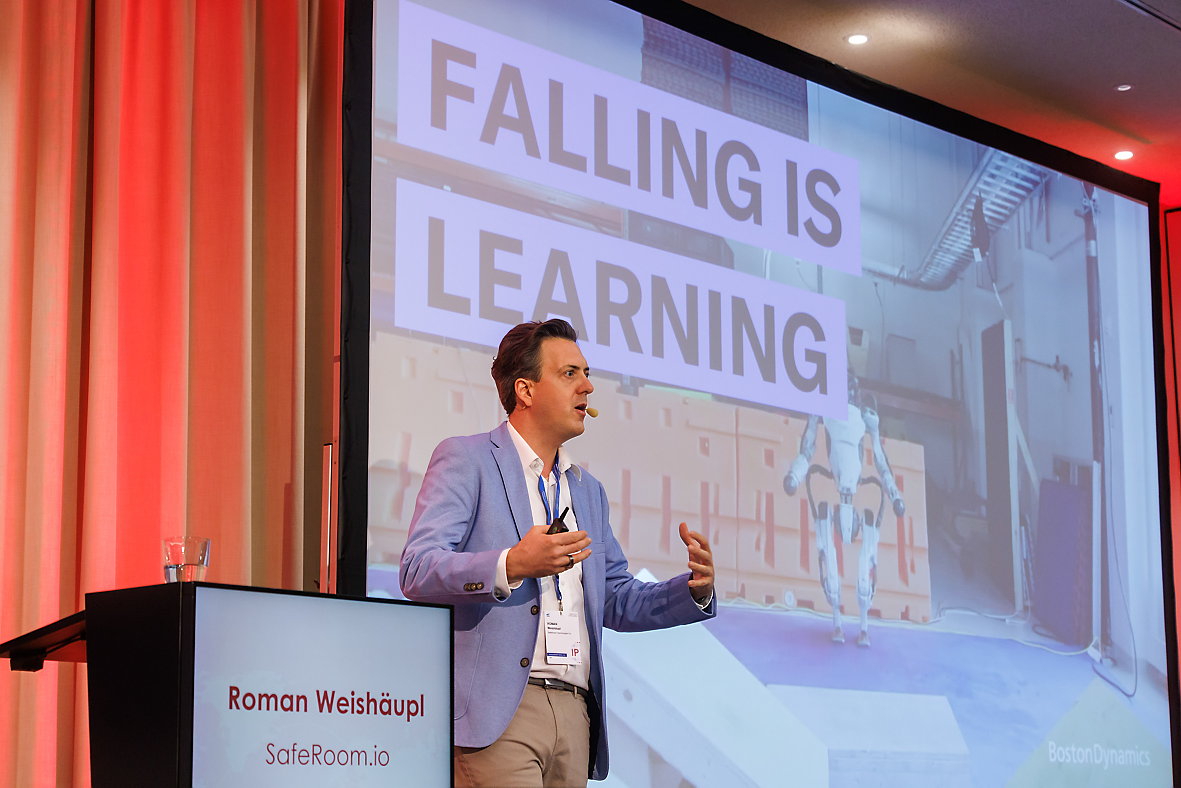
My answer to this question is simply: No. I believe failure is never an option.
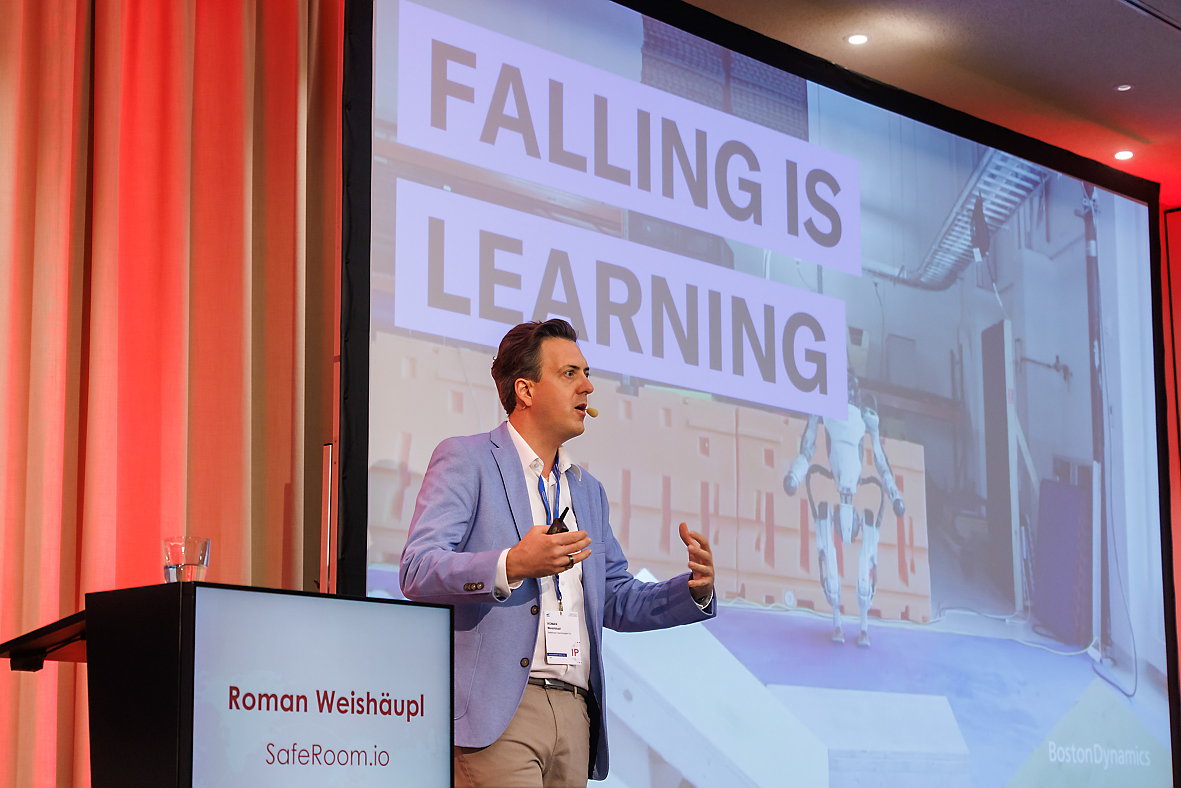
It's common for people to view failure as a necessary part of success and to talk about a "failing culture." However, this perspective can be problematic because it suggests that failure is inevitable or even desirable. When we experience a setback, we are not failures as individuals — we just need to get back up and try again.
In my keynotes I like to reframe this with the process of learning to walk. When babies are learning to walk, they fall all the time. We encourage them to get back up and try again. We recognize that falling is a natural and necessary part of learning, and we never doubt that the baby will eventually walk.
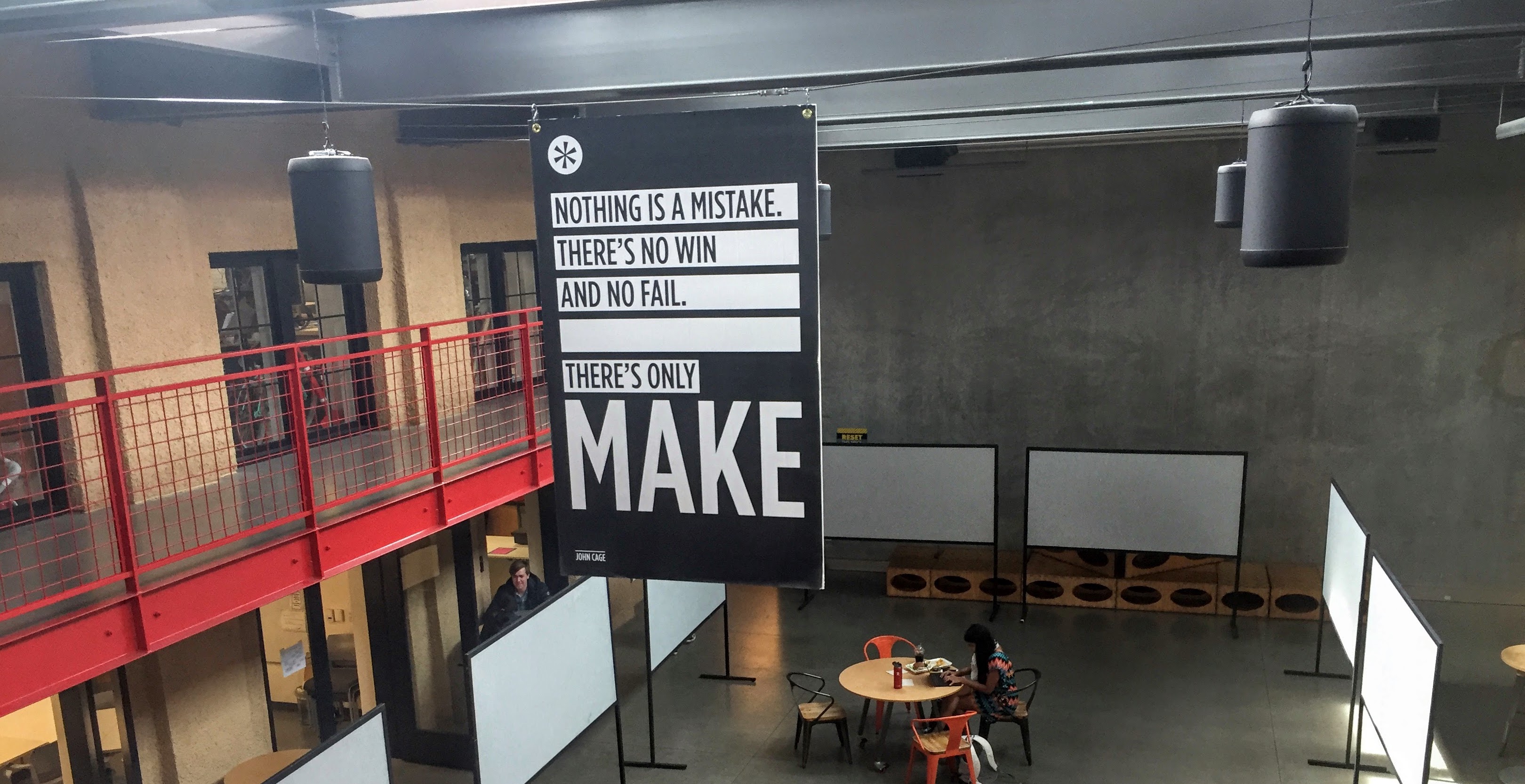
Nothing is a mistake. There is no win and no fail, there is only make! — d.school, Stanford
Successful entrepreneurs never fail — but they often fall or experience major setbacks. It's how they react to and learn from that fall that truly matters.
Six Entrepreneurs Who Fell and Made It Anyway
Arianna Huffington was rejected by 36 publishers before her second book was finally accepted. The Huffington Post received negative reviews at launch. She turned it into one of the world's most-read publications.
Bill Gates' first company, Traf-O-Data, was a complete disaster. He didn't let this hold him back and went on to create Microsoft.
Walt Disney was once told he lacked creativity and was fired from a newspaper. His first animation company failed. He eventually found success in Hollywood.
Steve Jobs was fired from his own company, Apple, at the age of 30. He founded NeXT, which was later acquired by Apple — and went on to revitalize the company that had let him go.
Milton Hershey experienced failure with three candy-related ventures before creating the successful Hershey's chocolate company.
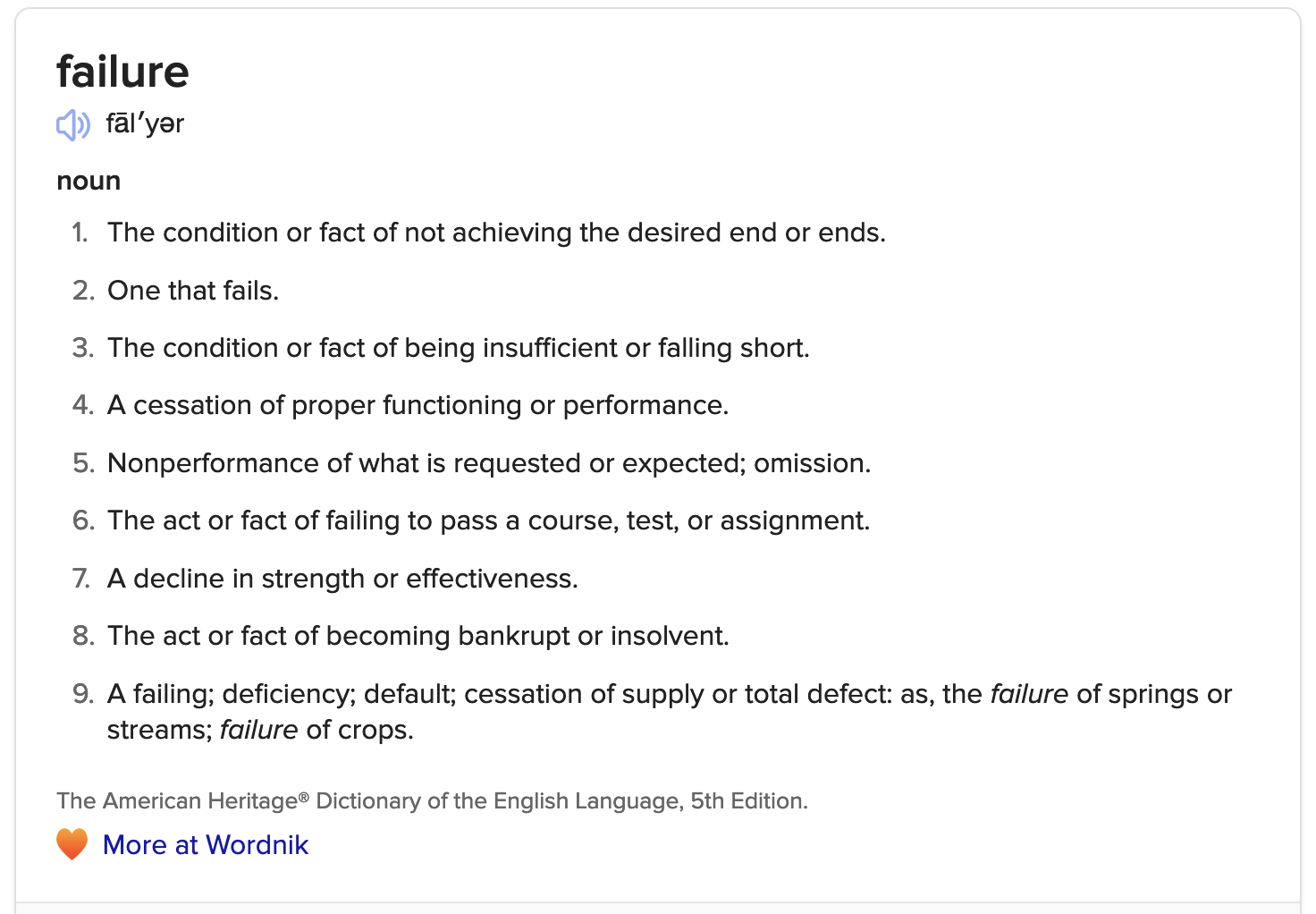
These entrepreneurs demonstrate that setbacks are simply temporary moments on the path to success. The question isn't whether you fall. It's what you do when you're back on your feet.
What is your take on falling or failure? How do you support falling in your organization?